
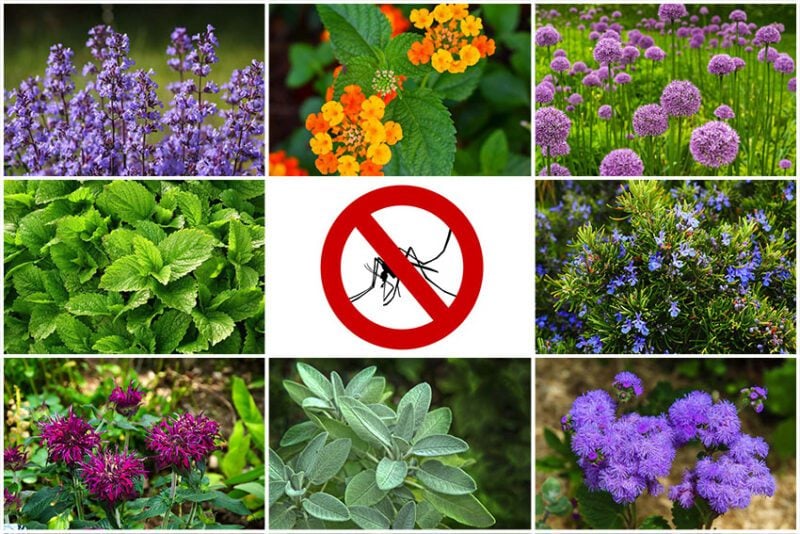
Choosing The Best Plants To Repel Mosquitoes Can Add Visual Appeal, Aroma, or Flavor To Your Life
Today, I’m going back to the roots of my environmentally-focused biology degree to explore how to choose plants that repel mosquitoes. Sure, they’re not power tools or lawn equipment, but they are living tools for keeping away mosquitoes. The cool thing is that many of these plants are attractive, several have wonderful scents, and some can even add flavor to your kitchen.
How To Use Plants That Repel Mosquitoes
Most plants give off some sort of aroma when they flower that attracts bees, butterflies, hummingbirds, and more to the sweet nectar they offer. However, that’s not the scent that typically keeps mosquitoes away. For that, you want the oil from the plant’s leaves in most cases.
The simplest way to get it is to crush the leaf between your fingers and dab the oil/juice on your neck, wrists, and legs. Be careful, though, some of the plants on our list are toxic, and you want to take care not to ingest those oils. You also need to be careful of any allergies you may have. Always start with a test run to make sure your skin doesn’t react poorly.
Alternatively, you can dab the oil on your hammock or clothing, or just spread a few crushed leaves around your chair.
Best Plants That Repel Mosquitoes and Smell Great
Lavender (Zone 5 – 11, Depending on Variety)
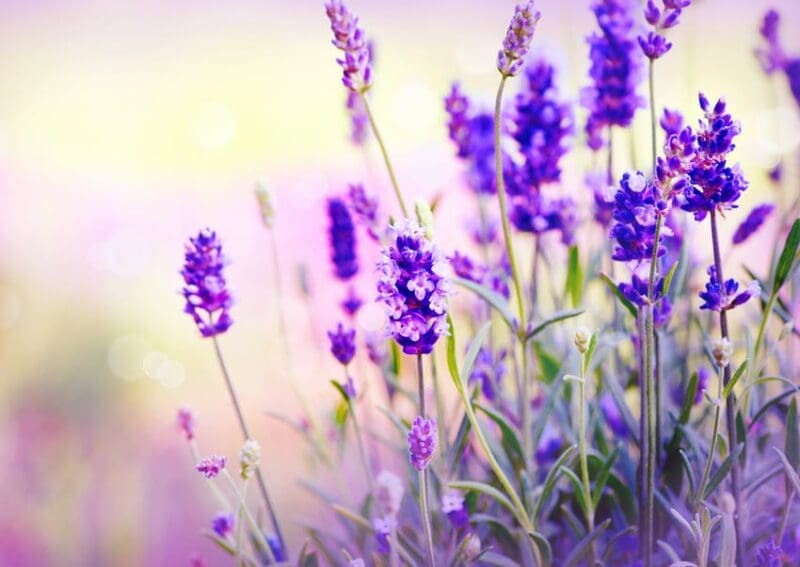
Lavender is one of the most soothing scents and one of my absolute favorites. However, that very same fragrance drives mosquitoes and a variety of other garden pests away.
With its silvery green leaves running up its stalk and purple flowers, lavender is a great choice as an attractive perennial element of your landscaping that blooms through the summer and fall. There are also multiple varieties covering a large range of USDA zones.
This drought-resistant mosquito repellent thrives in full sun and needs excellent drainage.
Eucalyptus (Zones 8 – 11)

Eucalyptus is a widely-used plant in floral arrangements, produces a widely-used essential oil, and smells great if you like its menthol-esque scent. All that and it repels mosquitoes.
Eucalyptus is part of the myrtle family and is a fast-growing plant. Its blue-green leaves make it an attractive addition indoors and outdoors. However, it can grow up to 30 feet, so if you’re using it in a smaller space, keep on top of pruning so it doesn’t get out of hand.
This is a tree that prefers full sun and well-drained soil. It’s somewhat drought-tolerant but needs regular watering to stay healthy. If you’re growing it in a pot, plan on a regiment of liquid fertilizer every few weeks. Outdoor eucalyptus typically doesn’t need fertilizer once it’s established.
Best Plants that Repel Mosquitoes and Look Good in Your Garden
Marigold (Zones 2 – 11)
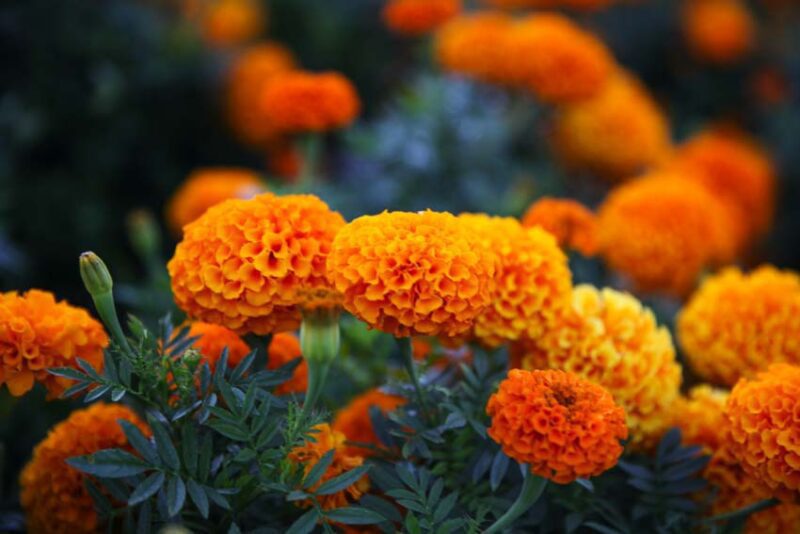
The scent of marigold isn’t as pleasant as some of the others on our list, but mosquitoes and a large number of other bugs hate it. As a bonus, they’re easy to grow and reach a large range of USDA zones.
Known for its vibrant orange flowers (though there are a few other colors), marigolds make a very attractive annual that grows well in the ground or pots. For most of the country, expect it to bloom through the summer all the way to the first frost of the year.
Give marigolds full sun and let the soil dry out between waterings.
Catnip (Zones 3 – 8)
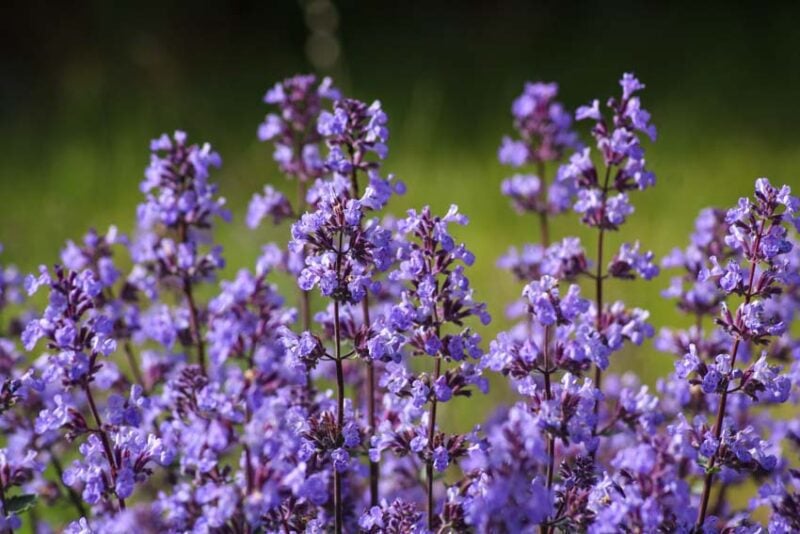
Catnip and family member catmint are among the most effective plants that repel mosquitoes. The nepetalactone the leaves contain has shown to be more than ten times more effective than DEET at repelling those biting misfits. On the other hand, many cats simply can’t get enough.
Here in central Florida, we’re unfortunately outside catnip’s recommended USDA zones. If you’re in range, though, these are hearty perennials that can begin to take over flowerbeds, so plan on keeping an eye on its spread. Catmint can be a pretty addition, though. It has a tall, thin profile with bright green leaves and pleasant lavender-colored flowers (catnip is similar but with white flowers).
Plant it in full sun and let the soil dry between waterings. Expect blooms from early summer through the fall.
Monarda (Zones 4 – 8)
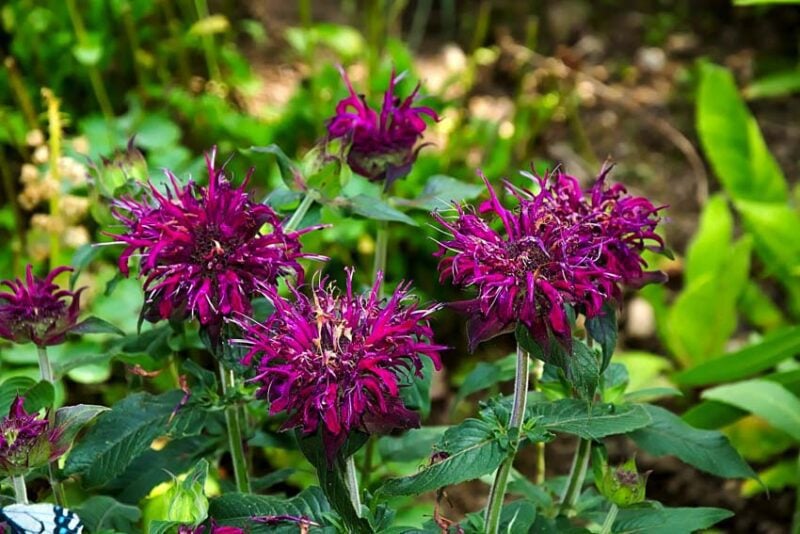
Monarda (bee balm, horsemint, wild bergamot) is an attractive perennial that has the added bonus of attracting bees, butterflies, and hummingbirds in addition to its mosquito-repelling characteristics.
With pretty flowers that pop red, purple, pink, or white, this is a larger plant that can grow 2 to 4 feet tall. Typically with a mint, oregano, and sometimes citrus scent, the oils in the leaves are useful to make tea and it has served medicinal purposes as well.
Monarda needs good air circulation to avoid powdery mildew issues and likes evenly moist soil to keep it blooming through the late summer.
Allium (Zones 4 – 9)
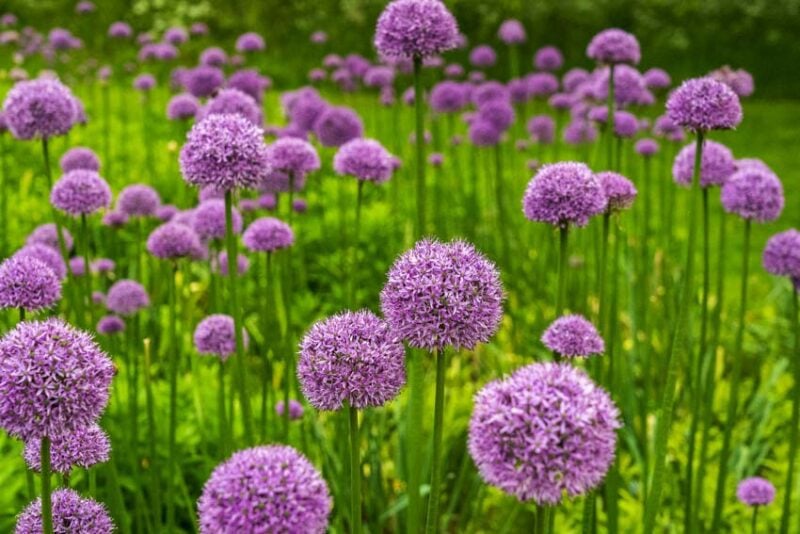
While onion can do a great job of repelling people, its relative allium is one of the more unique plants that repel mosquitoes.
It has a long, thin stalk leading up to a puffball of flowers at the top. Depending on the variety, you can get them in blue, purple, red, white, pink, or even yellow. Its thin profile makes it an attractive addition that rises above lower plants without crowing out their sunlight.
These tough, drought-resistant perennials like full sun with well-drained soil for their bulbs.
American Beautyberry (Zones 7 – 11)
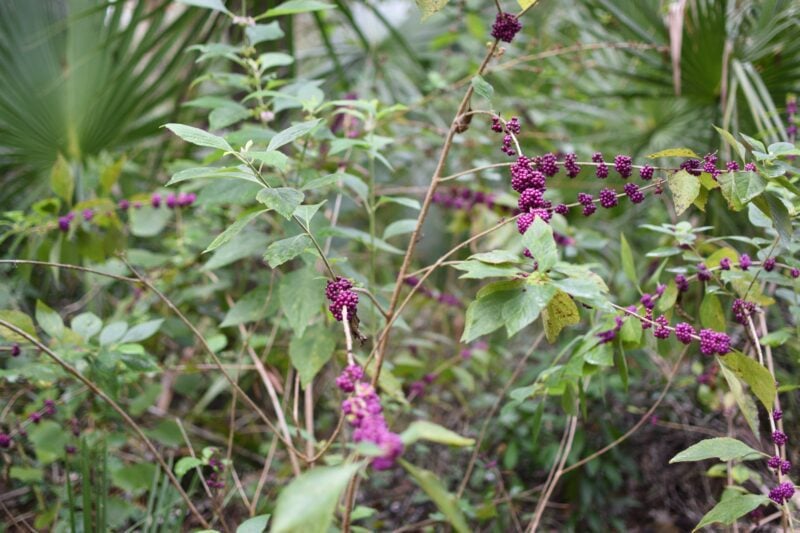
One of the larger plants on our list, the American beautyberry is a very nice landscaping addition and can repel mosquitoes.
As a deciduous shrub, American beautyberry can grow up to 6 feet high and 6 feet wide. It has an interesting look with its purple berries that straddle the stalk rather than hanging out on the ends. The berries are typically present in the fall and winter, adding color to your garden after its late spring/early fall bloom or white or pink flowers. Note the whitetail deer love to munch on these plants, so you might want to avoid them if you don’t want them around.
Plant American beautyberry in partial shade where it has rich, moist soil.
Lantana Camara (Zones 7 – 11)
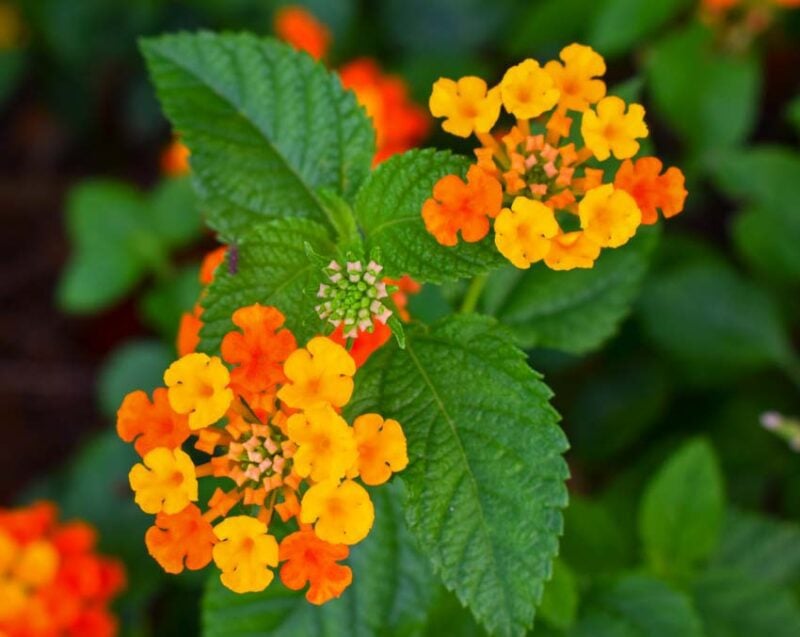
Lantana Camara is a staple of our sub-tropical landscape here in Florida, but it’s a viable mosquito-deterrent all the way to zone 7. Once you get to zone 9, it’s a perennial and an annual in zones 8 and lower.
With increasingly woody stalks as it gets larger, its flowers have distinct umbrage and frequently have two colors on the same bundle. The scent is sharp citrus and there are plenty of folks who dislike it, so we usually think of it more for its visual appeal than its aroma.
Lantana loves full sun and well-drained soil. It’s happy in the ground or in a container.
Ageratum (Zones 9 – 10)
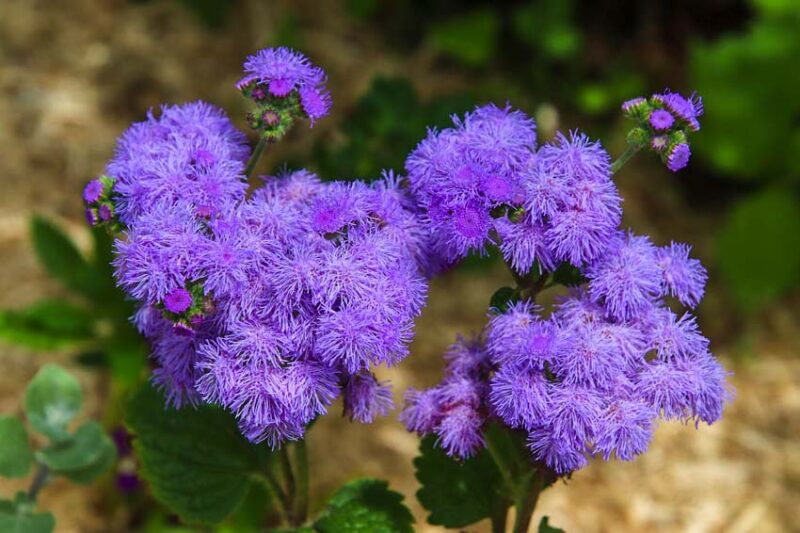
Ageratum, or floss flower, contains a chemical called coumarin which repels mosquitoes. It’s also toxic to humans and pets, so be judicious when you’re deciding if you want to use it.
Floss flowers are annuals that pop pretty purple blooms and can bloom from the time you plant them all the way to the first hard frost of the year.
Ageratum prefers partial sun in warmer zones and likes well-drained, but moist soil.
Lemon Geranium (Zones 9 – 11)
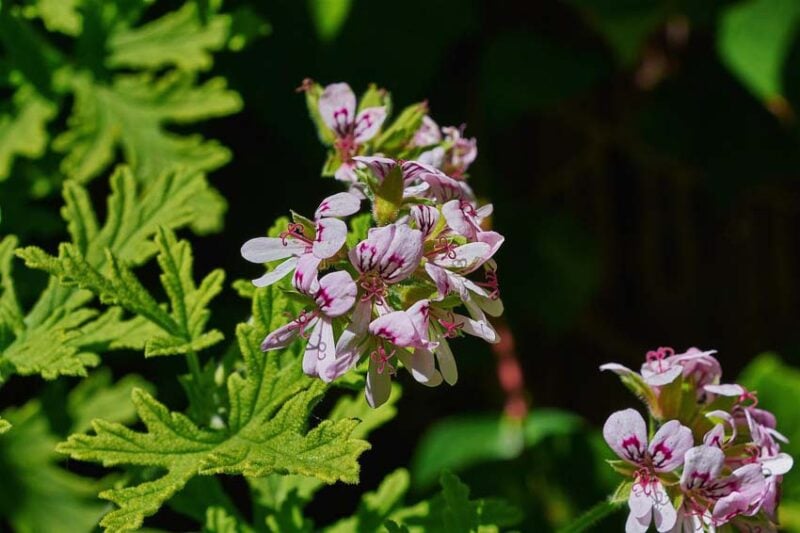
Not all geraniums are created equal when it comes to repelling mosquitoes, so choose your variety carefully. Of the scented varieties, those with a citrusy lemon scent are the most effective.
Lemon geranium has a classic geranium leaf with a light purple to pink flower containing a pistil that splits like a firework. It’s very content in a variety of containers from basic pots to window boxes.
Lemon geranium needs full to partial sun and protection from the midday sun in warmer zones. Stick with soil a little on the drier side and fertilize sparingly.
Lemongrass (Zones 9 – 11)
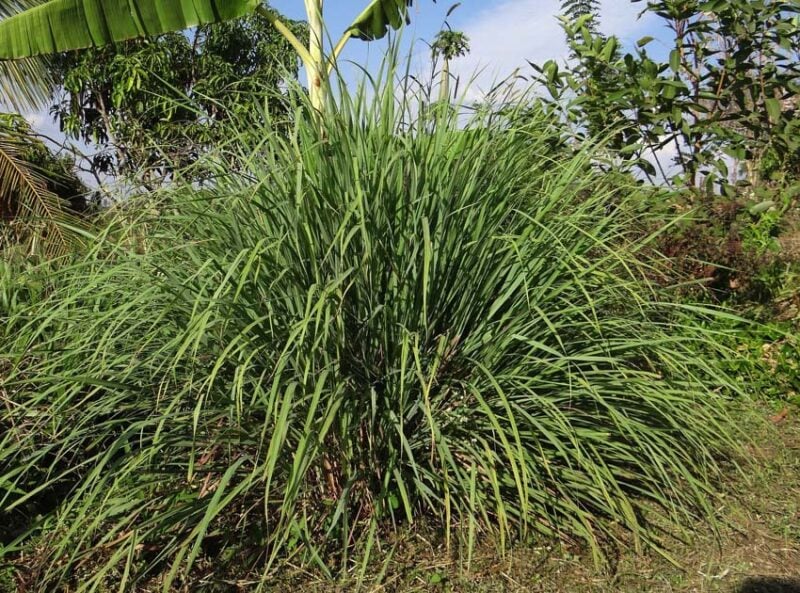
Lemongrass (or citronella grass) is a popular plant that repels mosquitoes in the warmer parts of the country. It’s also popular in the kitchen, particularly in Asian-inspired dishes. Despite its clean scent and vibrant taste, mosquitoes and other pests can’t stand it.
Growing as a large grass cluster, it’s perfectly content planted in the ground and can be a perennial, but is most often used as an annual. This is another plant that’s content to live in a pot as well. Take care where you put lemongrass, though, it can grow quite a bit larger than some of the other plants on our list.
Plant lemongrass in full sun and don’t be afraid to hit it with fertilizer, especially if you’re going to perennial use.
Best Plants That Repel Mosquitos and Add Flavor to Your Kitchen
Lemon Balm (Zones 3 – 7)
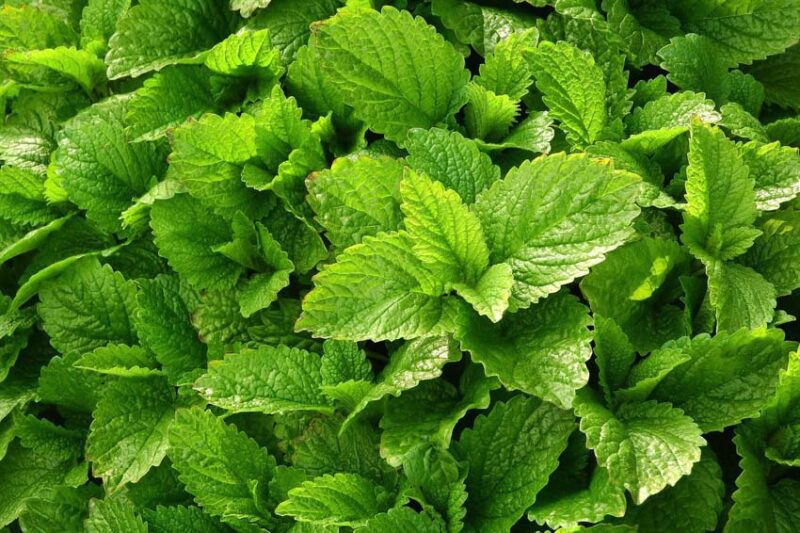
Lemon balm annoys mosquitoes and is wide-ranging in its uses from the kitchen to home remedies where its mild lemon influence offers flavor and a calming aroma.
It’s an herb that’s a member of the mint family and doesn’t have a look that adds much to a landscape. It’s far better in your herb garden and particularly suited for containers indoors. When lemon balm grows in its optimal conditions, it’s a hardy perennial.
If you’re growing lemon balm indoors, try to get it in a spot where it receives 5 to 6 hours of light. Outdoors, partial sun is good and it’s best to avoid the harshest rays in the middle of the day. It prefers well-drained soil that’s a little on the sandy side and lets the soil dry between watering.
Peppermint (Zones 3 – 8)
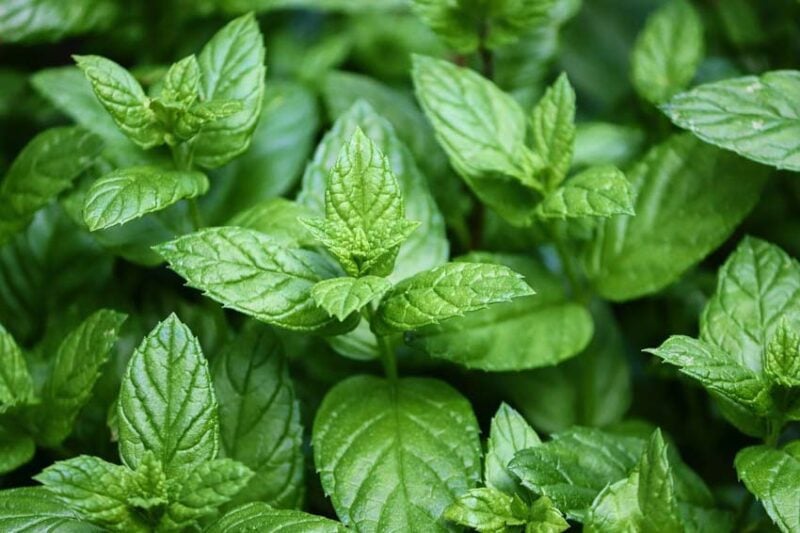
One of my personal favorites that combines mosquito-free living and tasty creations is peppermint.
Used far more for its ability to flavor a variety of drinks and dishes than its aesthetic appeal, peppermint has a fairly plain look. In zones where it thrives, it can take over, so the best practice is to keep this perennial in a container.
Peppermint prefers partial shade and moist soil conditions.
Fennel (Zones 4 – 9)

Oh, fennel, how do I love thee? Let me count the ways! This bulbous vegetable that features frequently in Italian dishes is related to carrots, but it’s not a root vegetable. Almost every part of the plant has some use in the kitchen in addition to its mosquito-deterring benefits.
The plant grows with celery-like stalks that form a bulbous section at the base. There’s not much visual or aromatic appeal, but its mild anise (licorice) flavor adds something to our dishes that skeeters don’t care for.
A perennial in zones 4 – 9 and possibly as an annual outside of it, fennel likes rich soil that drains well. Make sure it gets at least 6 hours of sun and hit it with a liquid fertilizer during seasons that you’re harvesting leaves.
Sage (Zones 5 – 8)
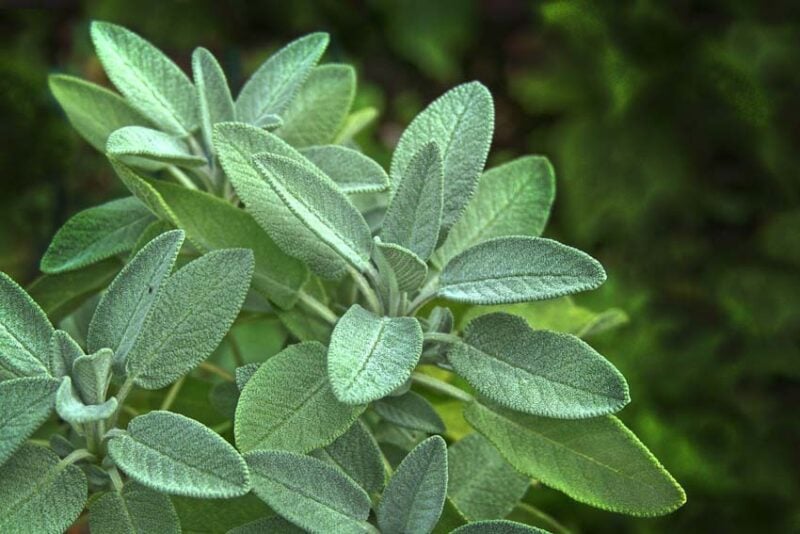
If you’re fortunate enough to live in zones 5 – 8, then put sage on your list of plants that repel mosquitoes. You can get away with sage in zone 9 and possibly 10, but it’s going to live as an annual rather than the perennial plant lower zones enjoy.
With a somewhat muted silvery green leaf, its color adds interest to flowerbeds and pots. It’s also handy in the kitchen where it’s a star in Mediterranean dishes.
Sage is pretty versatile, preferring full sun in well-drained soil. It’s also happy in pots and you can grow it in hydroponic systems.
Lemon Thyme (Zones 5 – 9)
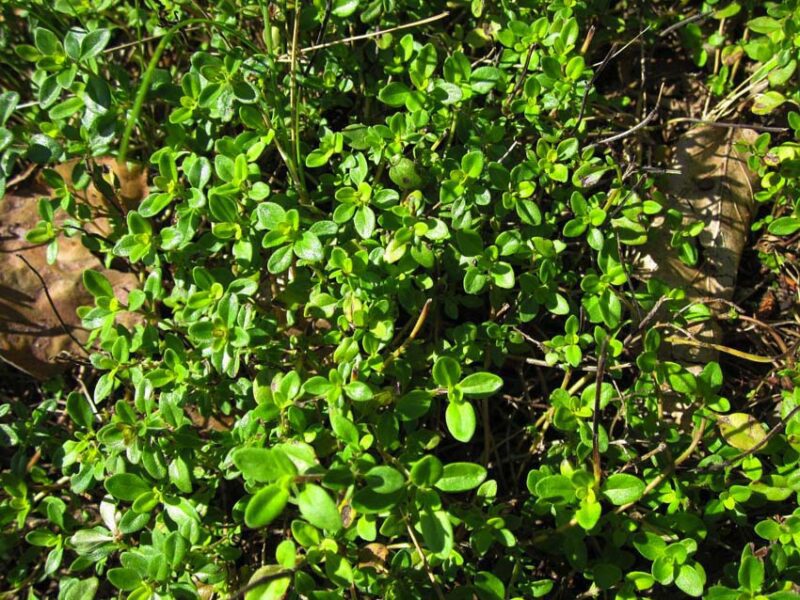
If you haven’t already picked up on the idea that mosquitoes don’t like lemon, here’s yet another example. Lemon thyme is very versatile and its leaf structure and size offer more landscaping appeal than most kitchen giants.
Growing just 6 – 12 inches in height and 12 – 18 inches wide, lemon thyme has small bright green leaves and pops petite light purple flowers when it’s blooming. Covering zones 5 – 9, it’s a perennial in zones 7 – 9.
Give lemon thyme full sun and well-drained soil that’s gets dry between waterings.
Rosemary (Zones 7 – 10)
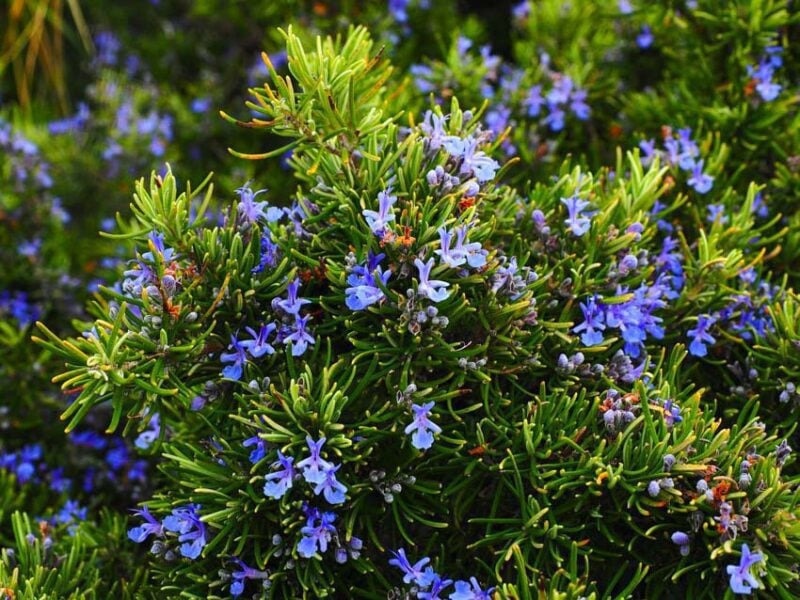
One of the legends of the kitchen, Rosemary also scores well in repelling mosquitoes with its woody fragrance.
Rosemary’s silvery green leaves are reminiscent of lavender’s structure and it, too, has a purple flower that adds interest to herb gardens. This is a plant that prefers hot, dry conditions and is an excellent candidate for a container. However you plant it, be sure this perennial gets full sun and that its soil drains very well.
Basil (Zones 10 – 11)

Another heavy-hitter in the kitchen, basil is an effective plant for repelling mosquitoes but has a narrow range centered on warmer climates.
Basil’s appearance is somewhat lackluster with bright green leaves, but oh do those leaves make for some great food! Here’s a tip: once basil produces flowers, it stops producing new leaves, so be sure to remove buds when they pop up.
Like rosemary, basil likes lots of sun. However, it prefers moist soil with good drainage, so don’t plant them in the same container.
More Plants that Repel Mosquitoes
Citronella (Zones 9 – 11)
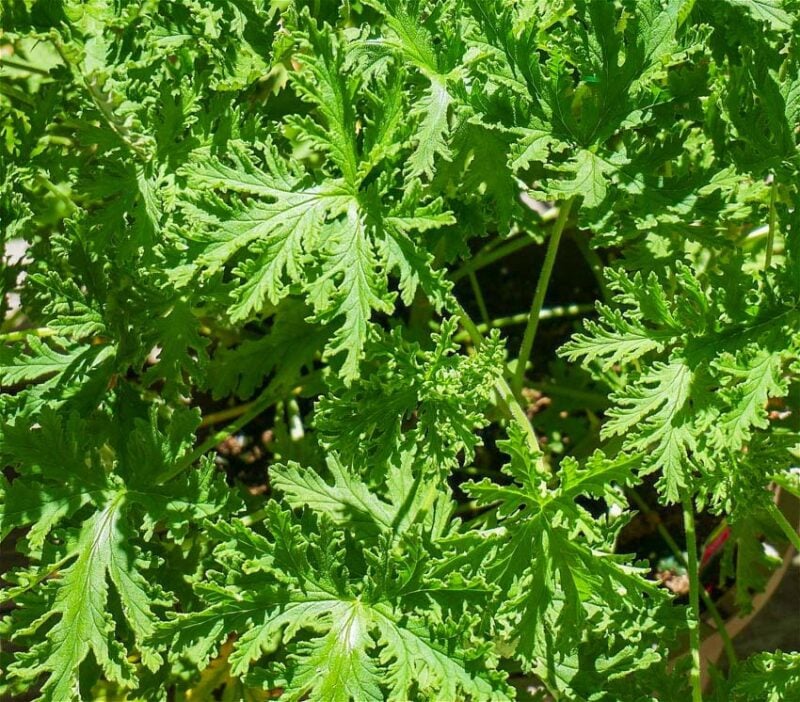
If you’ve ever used a citronella candle, you already know the mosquito-repelling benefits and distinct scent the plant produces. Also known as the mosquito plant or lemon geranium, it’s one of the top plants for repelling mosquitoes and a great choice for warmer zones.
Citronella (Pelargonium citrosum) is a member of the geranium family and is closely related to the lemon geranium (Pelargonium crispum). Both its basic structure with a classic geranium leaf and pinkish/purple flower look very similar.
Citronella does best in full to partial sun and needs protection from the midday sun in the warmer zones. It likes soil a little on the drier side and needs only light fertilizing.
Pennyroyal (Zones 6 – 9)
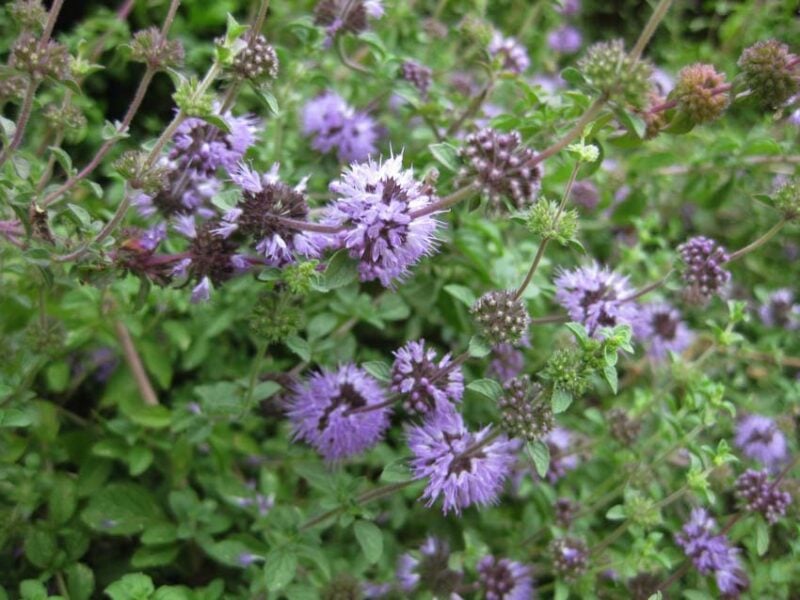
Pennyroyal wraps up or list of plants that repel mosquitoes and this one comes with a stark warning. It’s a toxic plant that is capable of causing organ failure and death if you ingest it, so be cautious if you’re going to have it around kids and pets.
This is another member of the mint family with a classic square mint stalk. Its flowers come out in bundles that straddle the stalk and are light purple in color. When you crush the leaves, it offers a pleasant spearmint scent. However, its oil’s toxicity in concentrated doses causes some folks to hesitate to use it on their skin.
If you decide to use it, pennyroyal can handle full to partial sun. The big thing is that it loves moist soil, so keep it wet but make sure the soil drains well.
amzn_assoc_placement = "adunit0"; amzn_assoc_search_bar = "true"; amzn_assoc_tracking_id = "protoorev-20"; amzn_assoc_search_bar_position = "bottom"; amzn_assoc_ad_mode = "search"; amzn_assoc_ad_type = "smart"; amzn_assoc_marketplace = "amazon"; amzn_assoc_region = "US"; amzn_assoc_title = "Shop Related Products"; amzn_assoc_default_search_phrase = "plants that repel mosquitoes"; amzn_assoc_default_category = "All"; amzn_assoc_linkid = "e5dea3f2a3f549999728da3e9174f51d";