
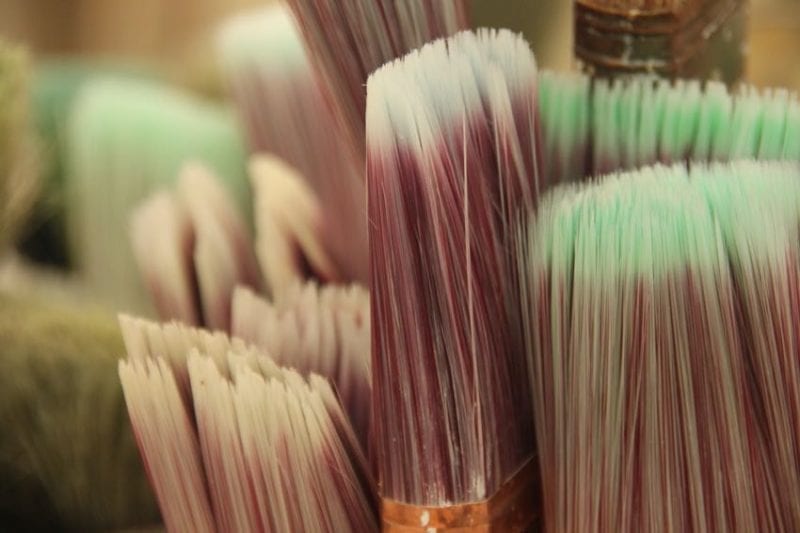
Anyone who has found themself not buying the right paint brush and, instead, bought the cheapest possible one shares something in common. We all (now) know that quality matters. The right tool can make or break a job. Think about using a consumer grade Wagner power painter sprayer vs a Titan Impact 640 Electric Airless Sprayer. I can think of few worse feelings than being in a paint job and noticing streaks and/or bristle deposits all over my nice new project.
Table of contents
Start By Asking a Few Questions
When it comes time to buying the right paint brush for the job, ask yourself a few basic questions. Make sure you select the right tool (that’s right, we said “tool”):
What Kind of Paint Will You Be Using?
You need to know whether you plan to use water-based (acrylic) or oil-based paint. Believe it or not, certain brushes use bristled optimized for one or the other. Universal brushes exist that can do both, but, largely, those don’t perform as well as particular brushes designed for either oil or acrylic paint.
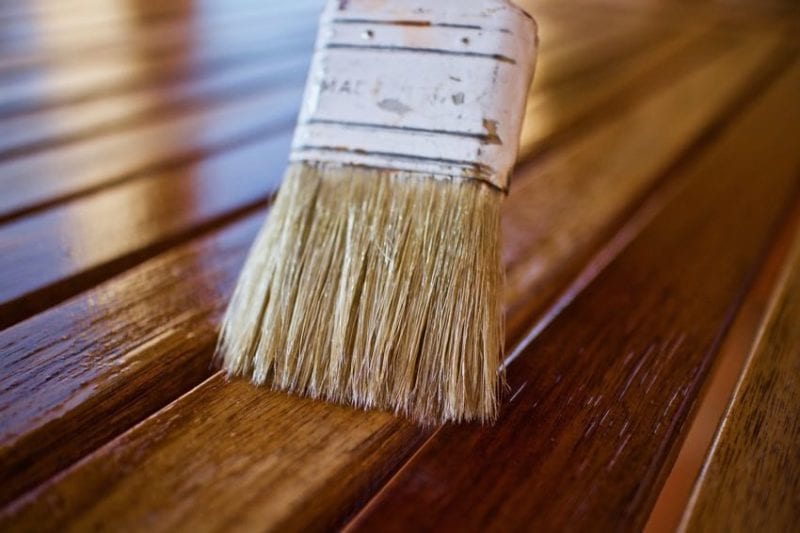
In the charts below, we address some of the reasons why this matters. The bristles affect how well the paint goes on and whether or not you leave “trails” when you paint.
Buying the Right Paint Brush to Deal with Corners and/or Edges
Certain brushes feature angles for cutting in. Others come in various bristle lengths for dealing with corners and inside edges. You can even find brushes made specifically for doing an inside corner in one shot. Pros debate about these, but technique matters almost as much as the particular tool you choose.
How Wide is the Surface You’re Painting?
While rollers take care of the largest areas, some trim, molding, columns, and other areas require you to buy the right width of paint brush. Grab a brush that’s too thin and you waste time having to double- or triple-cover an area.
Buying the Right Paint Brush – Details and Features
Look for several particular details and features to let you know the quality of the brush you are selecting. These details will make or break a brush and you may find that some of them are absolutely critical, while others can be sacrificed for a lower price:
Ferrule
The ferrule is the metal band that holds the shape of the bristles intact and secures them to the brush handle. This metal should be non-corrosive and better brushes will have this band attach via screws or rivets. Bristles should be spaced (typically in horizontal rows) to keep them separated and in place and to create larger reservoirs for the paint. In general, bristles should be packed together in a nice dense arrangement.
Tapered Bristles
The best brushes have bristles that are tapered or chiseled to the ends. This creates a smoother finish to the stroke and reduces the amount of streaking.
Flagged or Split Bristles
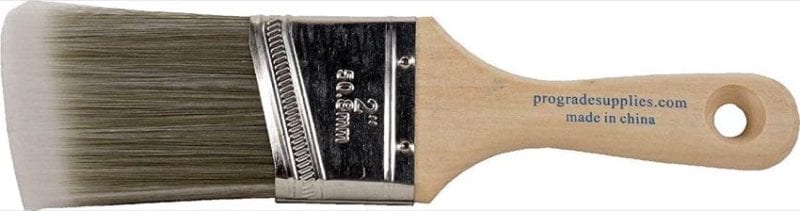
Synthetic bristles that are “flagged” or “split” will hold more paint and deliver a nicer, more consistent edge.
Overall Shape
Square trim brushes are just that – flat on the end. Chisel trim brushes are made with varying bristle lengths that taper. Cup trim brushes are the most expensive and basically handcrafted versions of the Chisel trim brush. We typically prefer Chisel or Cup trim brushes to Square trim or Cup trim since Square trim brushes are very cheaply made for the most part.
Bristle and Brush Type
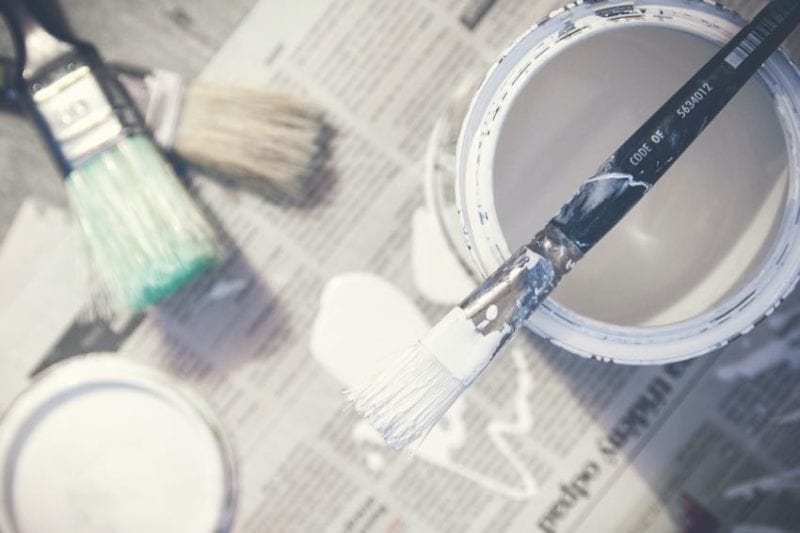
You can get both natural and synthetic bristles on a brush. Natural bristles are made from some kind of animal hair – typically ox, camel, sable, hog, and even pony or goat. Typically, they are softer than their synthetic counterparts. Natural bristles excel for oil-based paints and stains but they absorb water. As a result, don’t pair them with water-based paints.
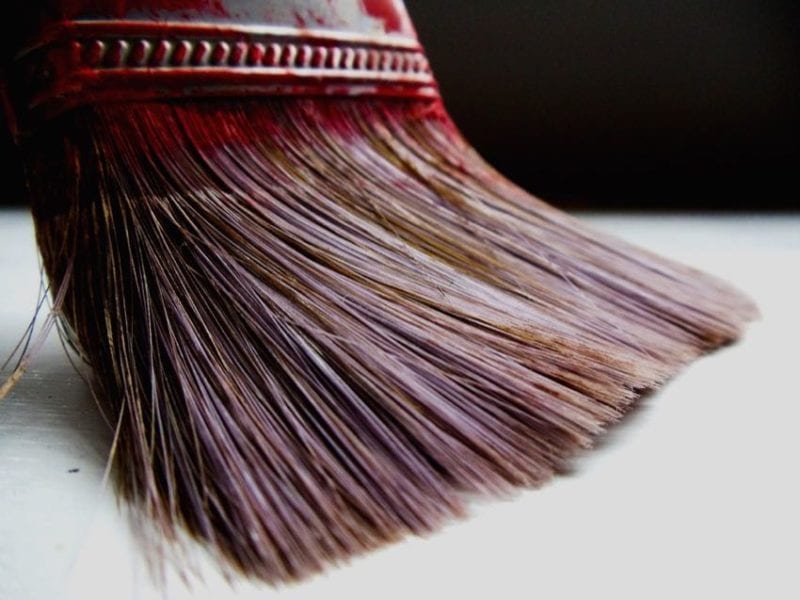
Brushes with synthetic bristles work for almost any type of paint or stain—including water- or oil-based paints. The following chart outlines some of the characteristics and recommended uses of the more common paint brushes on the market:
| Brush Type | Bristles | Key Details |
|---|---|---|
| Black China | Natural | Use for oil-based paint, stain, and varnish |
| Nylon | Synthetic | Typically used for water-based paint. Can use for oil-based paints, but avoid shellac or lacquer since bristles tend to streak |
| Nylon/Polyester Blend | Synthetic | Use for both water- and oil-based paint. Comes in a variety of stiffness selections. Softer brushes will typically yield fewer brush strokes |
| Ox Hair Blend | Natural | Use especially for oil-based paint and varnish. Typically more expensive, but yield a very smooth finish |
| Polyester | Synthetic | Universal adequate for water- or oil-based paint, as well as stain, varnish, lacquer, and shellac. Watch for stiffer brushes that can show brush strokes |
| White China | Natural | Use for anything oil-based, including paint, stain, varnish, polyurethane, lacquer, and shellac. This brush produces an even smoother finish than a black China brush |
Buying the Right Paint Brush for the Job – Size and Shape
When buying the right paint brushes one size does NOT fit all. You’ll want to have a nice selection of paintbrushes handy in order to ensure you are using the best possible brush for each aspect of the paint job you are taking on. When we speak of brush “shape” we are typically referring to the angle or shape of the brush edge. Straight edges are best when you are attempting to cover a surface area, while angled edges are best for cutting in corners, edges, and getting into hard-to-reach places or areas of finer detail.
When selecting the size of your brush, match the brush to the job. If you are attempting to finish an area that is 1″ wide, then don’t tackle it with a 2-inch brush. On the other hand, if you need to cover a wide-open area, don’t rely on a tiny brush to get you through—it won’t hold enough paint.
In general, smaller (1″) straight edge brushes are best for corners or window sashes, edging, trim and finer detail work. 2″ angled brushes are our personal favorite for cutting in edges, corners, and ceilings, and 3″ or larger brushes are excellent for large flat surfaces like cabinets, doors, beams, fences and the like. We only recommend 4″ brushes for ceilings, walls, siding, and other very large work areas.
Bristle and Handle Length
Note that paint brushes with longer bristles hold more paint than shorter brushes. This means you spend less time reloading the brush and more time getting the coverage you need. Higher-quality brushes typically come with a nice handle made of finished wood instead. We greatly prefer these over cheap plastic handles. We’ve found the wooden handles to be more comfortable over the long haul.
Speaking of handles, those of you with smaller hands may like shorter brush handles. In truth, the shorter handles aid in getting cleaner, straighter lines when edging. I find myself choosing them simply for ease of use. Longer handles deliver a longer stroke and help with jobs that don’t involve careful trim or edging. After a while, you’ll likely develop your own preferences when choosing the right paint brush.
Hopefully, this simple guide makes it a little easier to understand why buying the right paint brush matters. It should also help you choose the right one for your job. Just remember to match the brush to the work and don’t buy a cheap brush that makes you spend more time painting!
See our article on cleaning paint brushes for more information on taking care of your paintbrushes once you finish the work.