
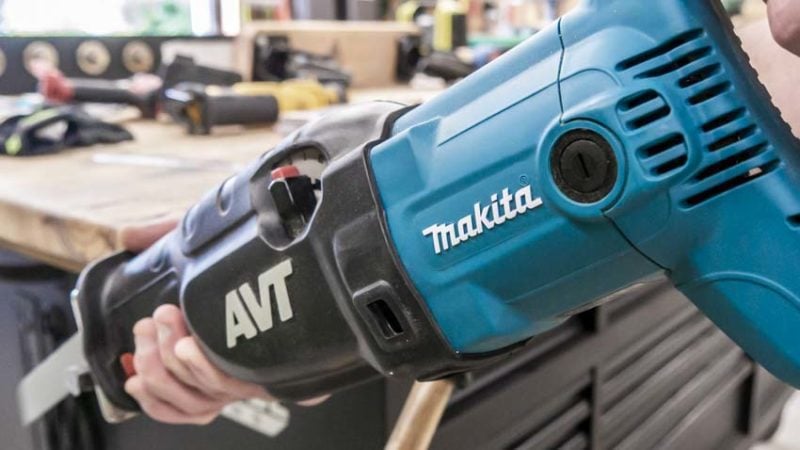
Makita 15-Amp Recipro Saw Proves It’s Still One of the Best
In the cordless world, we’re used to new models every 6 months or so. That’s not the case with corded tools, though. Despite being more than 15 years old, the Makita 15-amp Recipro Saw remains one of the best heavy-duty options available, even against the best cordless reciprocating saws.
Makita followed the original JR3070CT with the JR3070CTZ—the model we tested. The only difference between the two is the newer CTZ removes the lock switch.
Pros
- Excellent cutting speed in wood
- Outstanding vibration control
- Most full-featured saw in its class
- One hand blade loading and spring ejection
Cons
- Most expensive model in its class
How Fast Does the Makita 15-Amp Recipro Saw Cut?
In our series of four cutting speed tests, the Makita JR3070CTZ proved its age is no limiter as it hung with the top three. You can see the details of how we tested on our head-to-head main page.
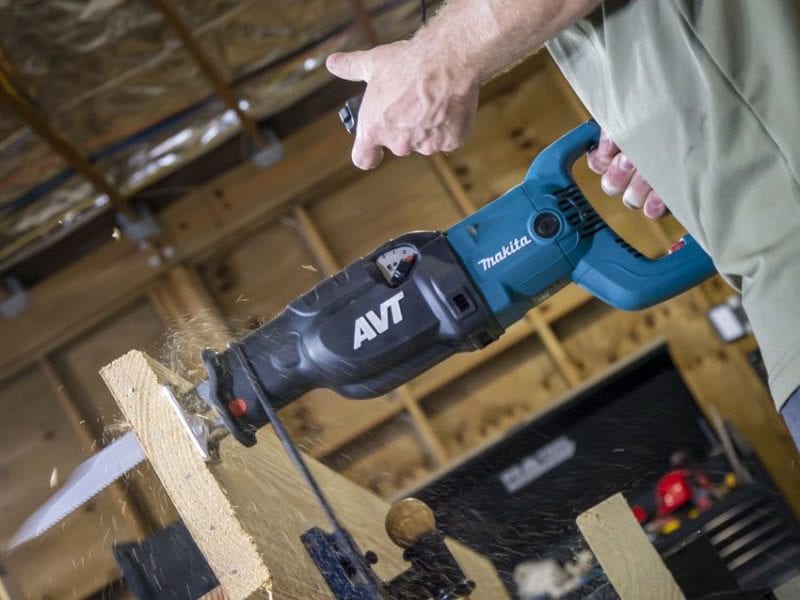
Its best performance was in our nail-embedded wood test. It averaged 7.11 seconds to cut through 2 x 10 PT with five 16D nails embedded in it. Skilsaw (5.99 seconds) and Milwaukee (6.41 seconds) managed better times, but Bosch’s 14-amp model (17.89 seconds) was well behind the group.
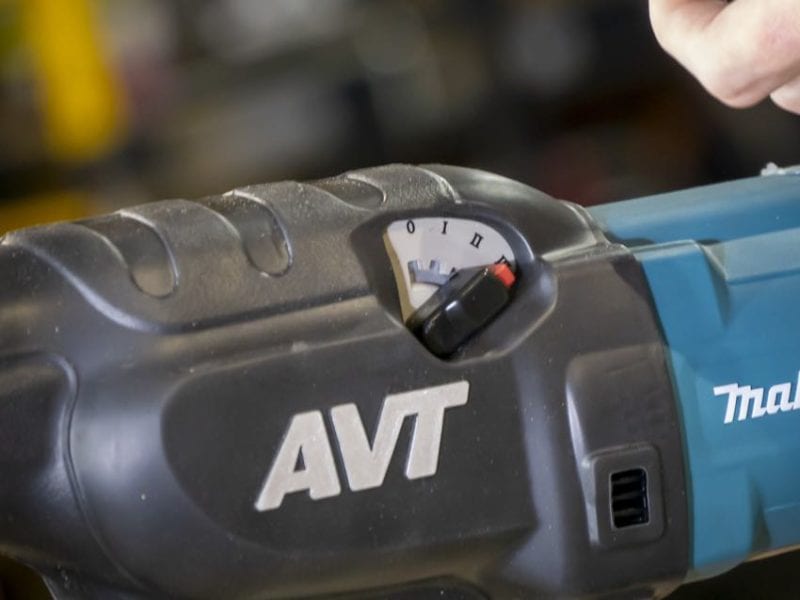
Makita certainly got a boost from its orbital action. It gives you more than just an on and off. There are three different levels of cutting aggressiveness you can choose from to match the demo on your plate.
Moving to metal cutting, the Makita 15-amp Recipro Saw lost some ground. Its 5.02-second average in 2″ EMT was slower than Skilsaw (3.45) and Milwaukee (3.73) again. Even though it’s only a second and a half slower, it felt like a bigger difference on these quicker cuts.
It was a similar story cutting through the #5 rebar. Makita’s 7.05-second average was well behind Skilsaw (5.27). However, it managed to leapfrog Milwaukee (7.08) this time. This was the tightest test for the entire group with just a little over 2 seconds from worst to first.
The final test was a roofing sandwich made up of 2 x 10 PT, nails, flashing, and asphalt shingles. Here, the range was much greater, from Skilsaw’s 9.25-second average to Bosch’s 22.75. Makita was much closer to the high end, averaging 12.32 seconds per cut.
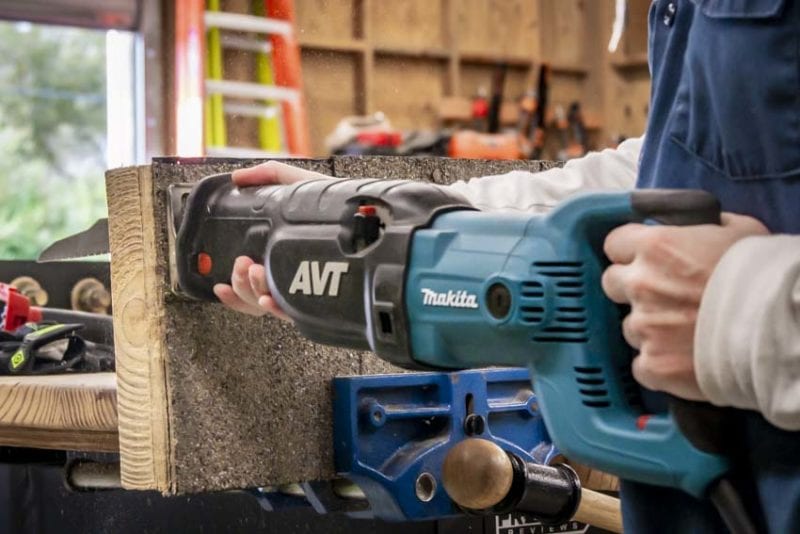
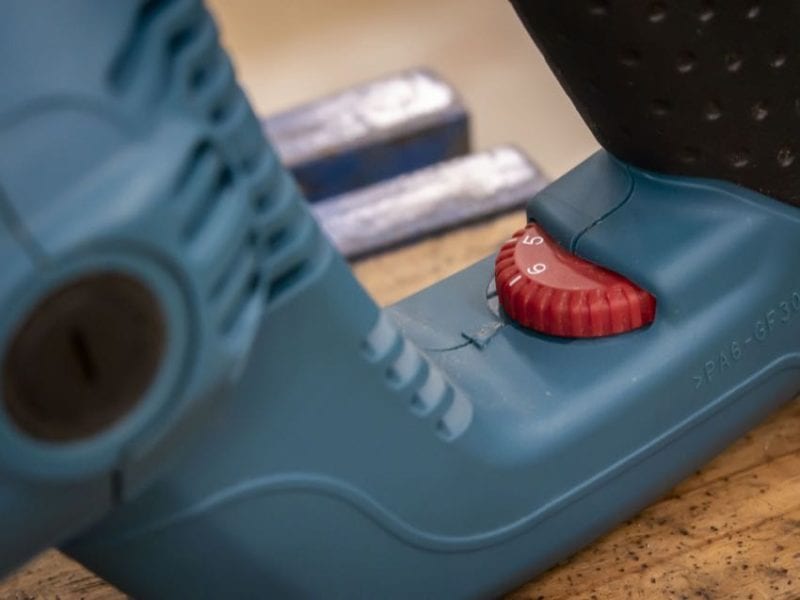
You run into a material that you’re better off cutting at a slower rate than 2800 SPM, a variable speed dial lets you adjust it down.
Even though Makita didn’t challenge the top cutting speed in any of these tests, it wasn’t far from it. Having used the saw in each of these materials, we’d recommend it for any of them. Yes, you can get faster cutting speeds, but this Makita Recipro Saw doesn’t struggle at all.
How Much Vibration Does it Have?
Makita adds AVT—Anti-Vibration Technology—to the JR3070CTX and it makes a difference. Our testing team used all of the saws in the class to compare against each other and we unanimously chose Makita as having the best vibration control.
That’s significant considering how much vibration-dampening technology Skilsaw added to their Buzzkill saws that came out in the last couple of years. As good as it is, it still wasn’t enough to overcome Makita’s design.
How Big Is It?
When you’re looking for a heavy-duty reciprocating saw, we’re guessing size isn’t at the top of most Pros’ lists. Still, it’s worth mentioning. At 10.5 pounds, Makita weighed in almost a pound heavier than Bosch and Milwaukee. It was well below Skilsaw’s hefty 12.2 pounds, though.
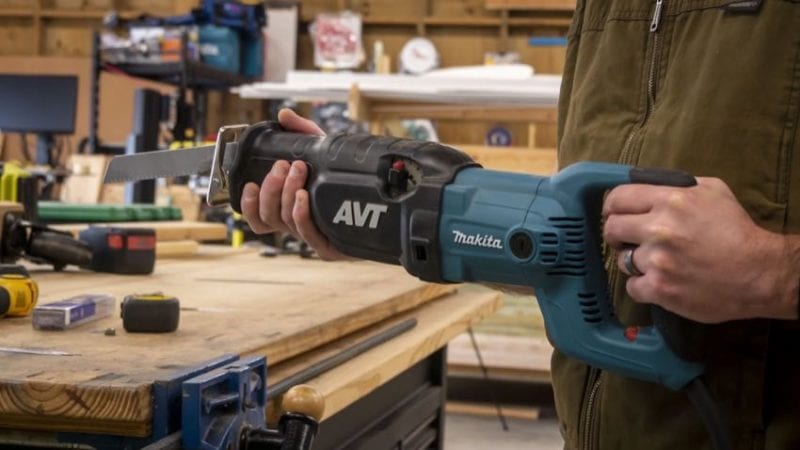
At least part of that weight is due to the anti-vibration parts of the design. With how well Makita dampens vibration, we’ll take the extra weight.
The JR3070CXT is one of the smaller saws in this group. Its 19.1″ length is just 0.2″ longer than Bosch. On the other side, Skilsaw (21.9″) is noticeably longer.
What Other Features Are There?
The Makita 15-amp Recipro Saw has the most complete feature set in its class. Aside from its orbital action and variable speed dial, here’s what you can expect to find:
- Built-in clutch disengages if the blade binds
- Pivoting, tool-free adjustable shoe
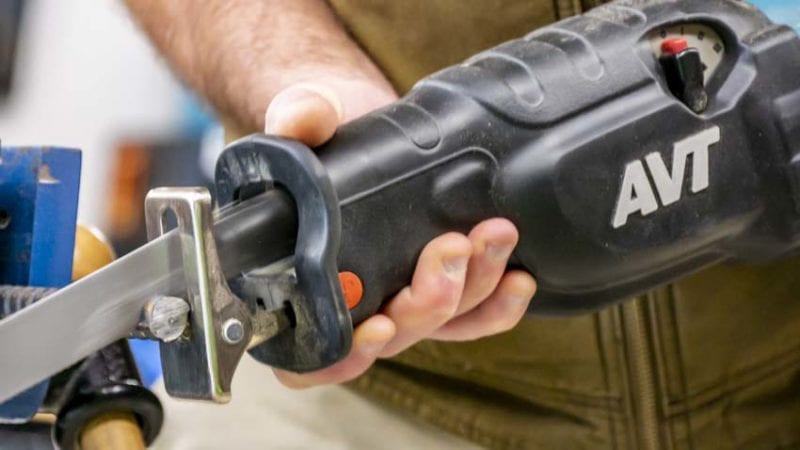
- One-hand blade loading
- Spring blade ejection
Makita’s blade lock system is worth pointing out. When you remove a blade, a spring pops it out and the lock catches in the open position. When you insert a new blade, it automatically releases and secures the blade in place.
Missing Features
- Rafter hook
- Blade release lever off the shaft
- LED light
What’s interesting about the features Makita doesn’t include is that none of the other saws in its class do, either. Adding them would be a great way to set this saw apart if Makita decides to revisit the design down the road.
How Much Does it Cost?
The Makita 15-amp Recipro Saw we tested runs $279 and the CT model (with lock-on) runs $109.99. As usual, you can find lower prices online if you look around. That price is on the high side for this class, but the combination of performance and vibration control still makes it a good value.
The Bottom Line
With so much focus on the rapid changes in cordless technology, it’s easy to forget that we’ve had excellent corded tools like the Makita 15-amp Recipro Saw for well over a decade. Its cutting performance is relevant against newer models and it still boasts the best vibration control we tested.
Buy it if you’re looking for a well-designed heavy-duty reciprocating saw that won’t vibrate your teeth out. Pass if you absolutely have to have the fastest cutting saw on the market.
Makita 15-Amp Recipro Saw Specs
- Model Number: JR3070CTZ
- Length of Stroke: 1-1/4″
- Strokes per Minute: 0 – 2800 SPM
- Length: 19-1/8″
- Weight: 9.6 lbs
- Variable Speed Control Dial: Yes
- Built-In Clutch: Yes
- Orbital Settings: Yes
- Warranty: 1-year
- Price: $279