
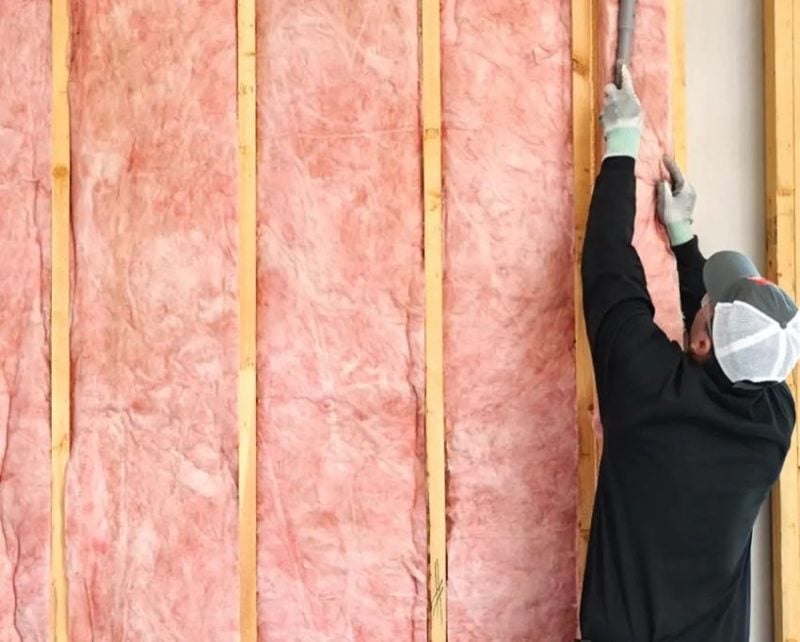
With all the buzz in the media about green building and energy conservation in construction, a popular word you hear more and more is “weatherization”. Good weatherization techniques involve applying building materials to protect a building and its interior from the elements. Chiefly, good weatherization techniques reduce energy use in the home.
Many elements wreak havoc in a home with regard to energy usage and efficiency. These include the sun, precipitation, humidity, and wind. Good weatherization techniques effectively neutralize the effects of these elements. These involve repairing, renovating, and modifying a building to both reduce energy consumption and boost energy efficiency.
10. Effective Weatherization Techniques Start with a Plan
It’s probably good to think of weatherization techniques as a whole-house scenario. You need a comprehensive plan in order to save real money. While insulation matters, some folks might think adding some minor batting is sufficient. To truly take advantage of all that weatherization can do, it’s best to look at the entire building as a “system”.
For example, many types of insulation provide some weatherization. They help guard against both heat loss or heat gain. The trouble is that insulation has its limits since it doesn’t normally stop drafts, air leaks, or moisture. Many times, weatherization in a home can include things such as insulation, air sealing, ductwork repairs, HVAC system upgrades, exhaust fan dampers, caulking, and weather stripping on doors and windows.
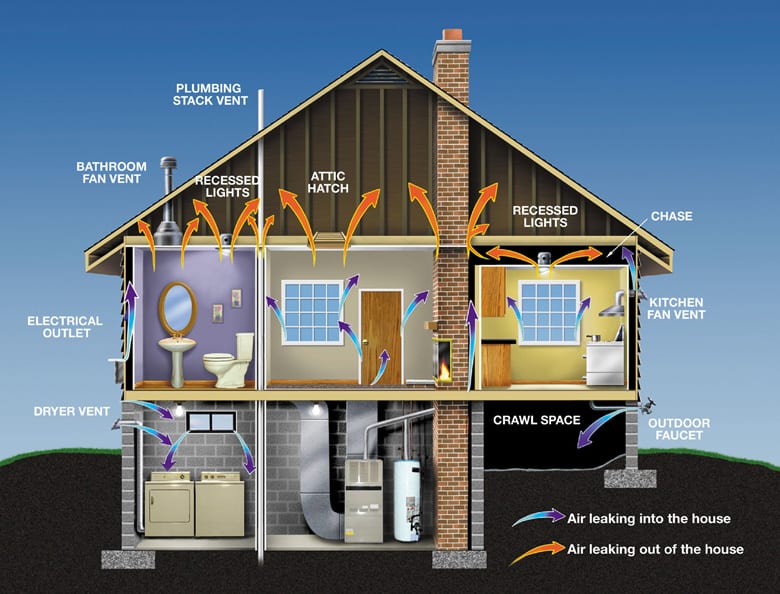
Statistics from the United States Department of Energy show that buildings use one-third of all energy consumed and nearly two-thirds of all electricity. Due to the high energy usage, buildings are a major source of pollution that causes urban air quality problems. When a home is properly weatherized, oftentimes it will greatly improve the overall energy efficiency of the home. This can mean significant cost savings on energy bills and also less energy being consumed.
9. Sealing Up Ductwork
Poorly sealed ductwork can account for 20% of heat loss. Simply sealing supply and return air ducts can greatly improve a home’s efficiency by keeping conditioned air in the home. A mastic-type product should be used to properly seal old ductwork, making it airtight. Duct tape (“duck” tape), despite the name, should not be used—at least not on its own. It isn’t suitable for the extreme environments of moist crawlspaces and hot attics where ductwork lives.
8. Watch Those Recessed Light Fixtures
Recessed light fixtures—also called can lights or high-hats—can leak large amounts of conditioned air into unconditioned attic space. They can also allow hot attic air to enter the home. Even IC-rated products can transmit heat from the attic into your living space if not properly insulated.
Products on the market exist that cover standard non-IC-rated can lights from the attic side. They serve to keep insulation and other materials from coming in contact with the hot fixture. They also stop the leaking air. One other thing you can do is swap out energy-robbing incandescent and CFL bulbs for newer LED bulbs. Those use 60% or less energy.
7. Insulation in Walls, Floors, and Ceilings
Yes, we included insulation. After all, it works. Your code requirements for insulation vary depending on the construction type, age of the home, and geographic location. One thing that is certain is that insulation makes for one of the most important weatherization techniques available to a homeowner. You need to make sure you have enough insulation—but also that you have it in the proper areas.
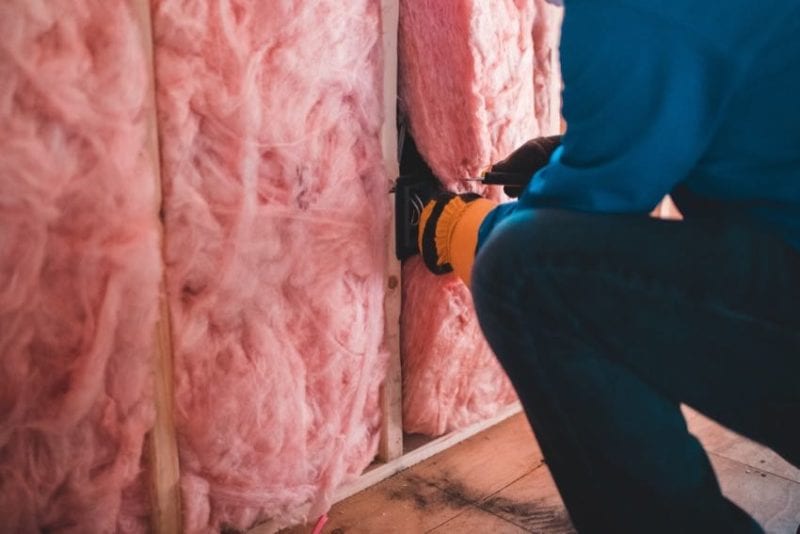
There are many types of products available now, and each has its own strong points. You probably can’t do much about your walls in a home that already exists. For new construction, however, pay attention to what your builder installs. For walls normally, fiberglass batts are used in addition to expanding spray foam solutions.
At one time, doing spray foam was a product left for the pros. There are now a considerable number of DIY spray foam kits available on the market. Armed with the right protective gear and a little know-how, you too can take advantage of this excellent insulation material.
Of course, you can add insulation to your home’s attic using blown-in fiberglass or cellulose. Most builders now advertise high R-values in “green” homes, but that wasn’t always the case. If you bought or have an older home, check that attic. It likely lacks enough insulation—but you can add more very easily. Check out this quick guide of recommended R-values for insulation:
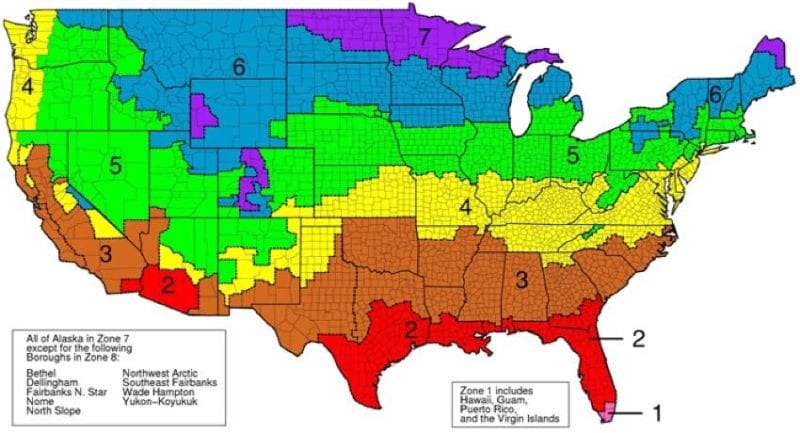
| Zone | Uninsulated Attic | Existing 3-4″ of Insulation |
|---|---|---|
| 1 | R30–R49 | R25–R30 |
| 2–3 | R30–R60 | R25–R38 |
| 4 | R38–R60 | R38 |
| 5–8 | R49–R60 | R38–R49 |
6. Sealing Cracks, Gaps & Holes
One of the simplest yet crucial weatherization techniques to reduce energy use involves simply identifying and sealing open leaks in a home. In older homes, there are many places for air and moisture to leak in. This is especially true around doors, windows, pipes, and wiring that penetrate the ceiling and floor.
Depending on the size of the penetration or crack, you should use products such as spray foam, caulk, weatherstripping, and door sweeps to help minimize infiltration. For larger cracks, you may need to first fill the area with something like steel wool or mesh. This gives you a base onto which you can apply expandable polyurethane foam that easily trims flush for painting and blending.
5. Reduce Energy Use with Proper HVAC Systems
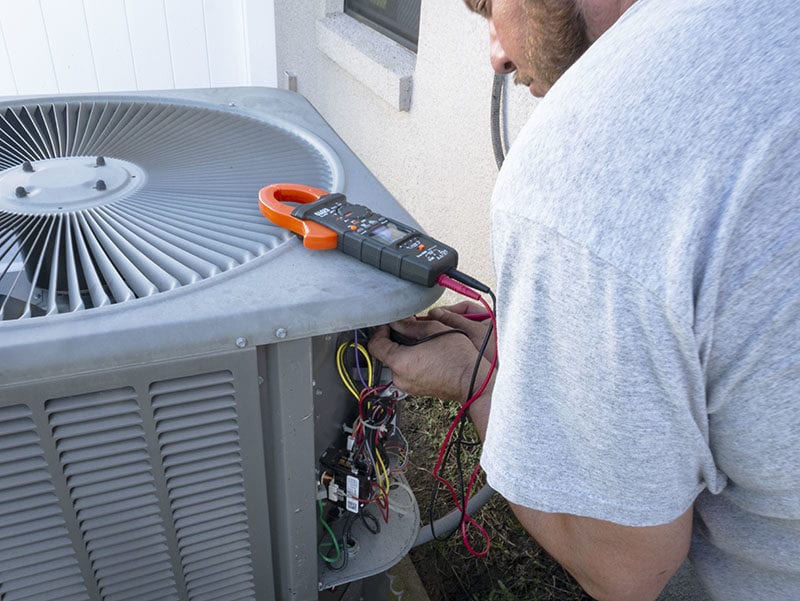
Of all the items that fall in the scope of weatherization techniques, HVAC systems can be among the most costly single items to replace. Often, simply repairing ductwork and adding insulation can significantly boost the efficiency of your older equipment.
4. Insulate Water Heaters and Add Timers
When considering additional weatherization methods to reduce energy use, look no further than your water heater. Actually, look a bit further—but you get the idea. You can protect water heaters and pipes from corrosion and freezing by insulating them. You also help water heaters trap energy by surrounding them with insulation as opposed to leaving them exposed. This benefits colder climates the most.
For an extra tip, consider adding a timer so that your electric water heater doesn’t come on during the day while both you and your spouse are at work.
3. Check Entry Doors for Air Gaps
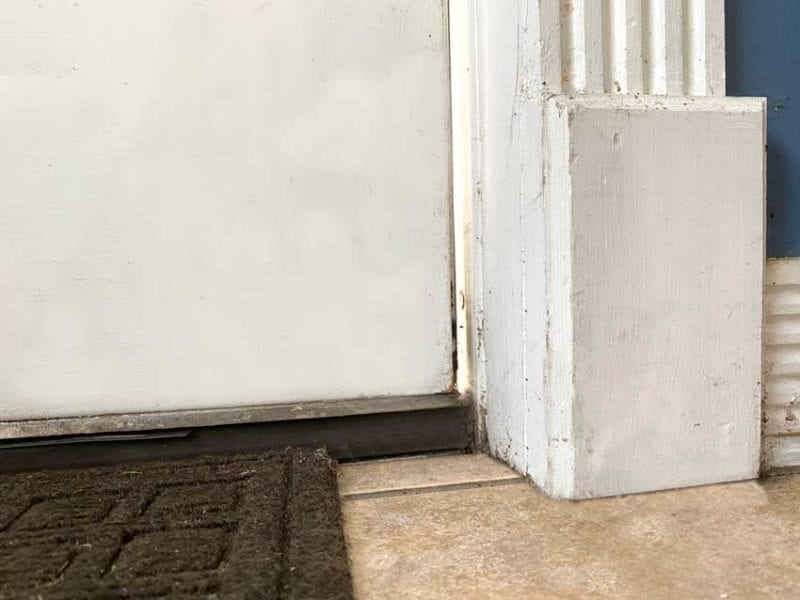
If you can see light shining through the edges of your door, it’s not properly sealed. Light = airflow, so see if you can tighten up the seal by adjusting the latch or adding weatherstripping. One or both of these techniques can quickly and inexpensively seal up a draft that may be costing you money.
In a worst-case scenario, you may need a larger adjustment to fix a sagging door. You may even need to replace a drafty door with something entirely new. In either case, this presents a high-leak area that vacuums money from your wallet every month.
2. Seal Those Windows!
Just like the doors above, windows often leak like crazy—and you have more of them. While this can be an expensive option, sometimes all that is needed is some new weatherstripping or even some caulk. Other times, small adjustments to a window can make it close and seal properly again.
On really old homes where windows are rarely opened, we’ve seen people seal them up completely with caulk. While we don’t really like this option, it can serve as a stopgap until you eventually renovate and replace those windows.
1. Consider Adding a Radiant Barrier
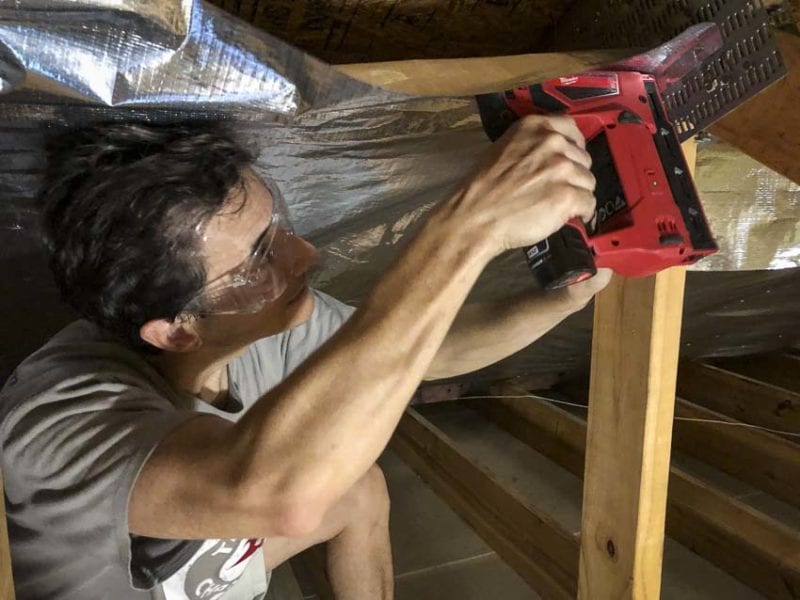
For an amazingly effective weatherization technique, consider installing a radiant barrier in your attic. More than anything, radiant barriers, combined with adequate ventilation and insulation, can dramatically reduce energy use. They keep out “radiant” heat—the part of the heat that produces a majority of the temperature change in attics.
With Weatherization Techniques, Professionals Can Help
If you are not sure what issues your home might have, you can hire a weatherization professional who will come in and do a comprehensive energy audit of your home. Normally, they would look at your energy bills from the previous two years to get an idea of the energy consumption. Then they would use some specialized equipment, like a blower door, pressure pan, infrared cameras, and moisture meters to get an accurate picture of what is really happening in your home. Their testing will identify where your energy leaks are.
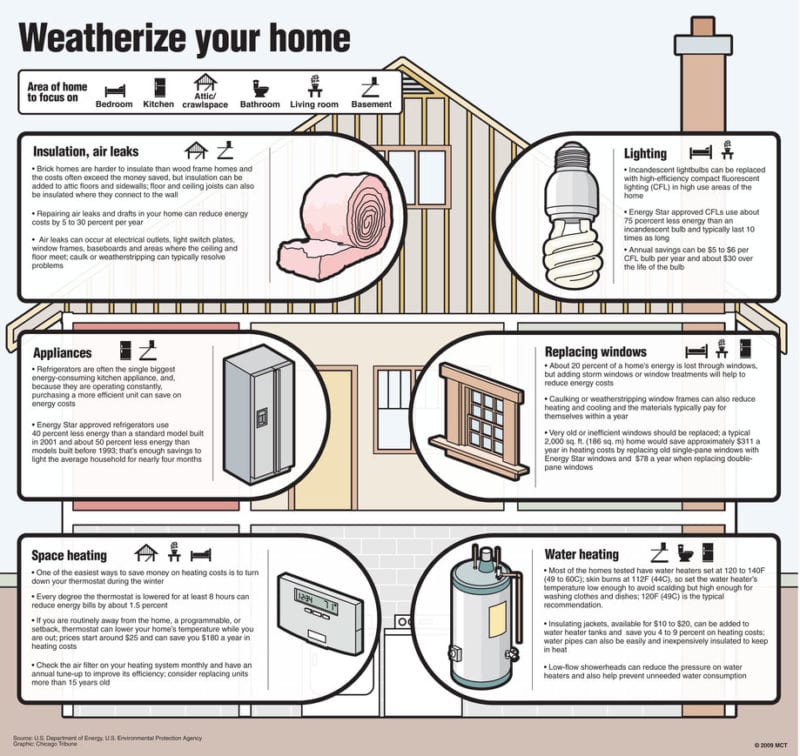
Making your home more energy-efficient can save you money while helping save the environment. There are a variety of financial incentives and programs that can help with the cost of these improvements as well. Often, there are federal, state, or local programs, rebates, tax incentives, and other resources available to assist with your weatherization projects.
The savings from doing the right thing may even be enough to pay for the improvements. For more information, here are some of the sites that are at the top of our list to visit:
- https://hes.lbl.gov/consumer/
- https://www.energystar.gov
- https://www.energy.gov/
- https://www.aceee.org/