
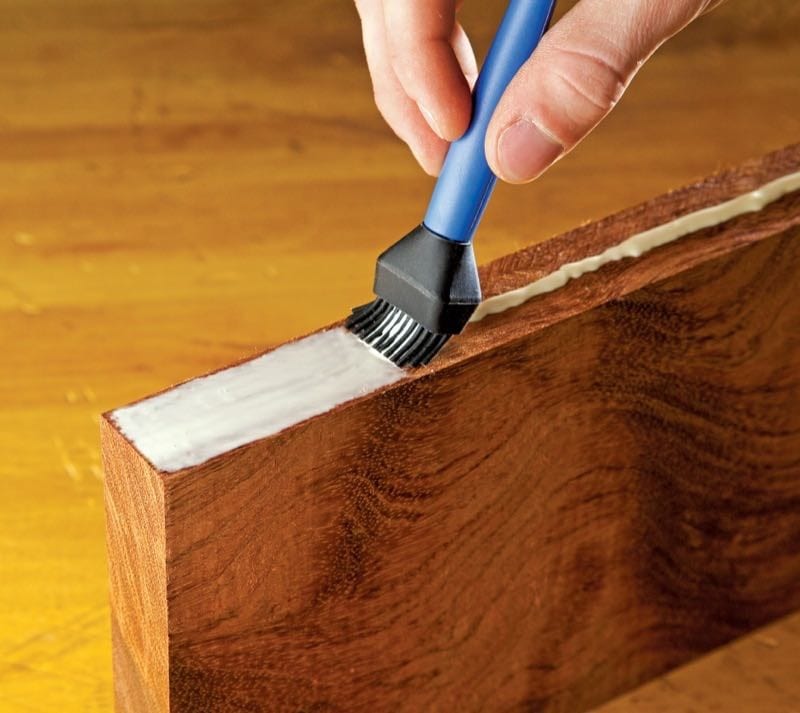
Using glue-ups in joinery is the preferred solution for tables and other surfaces requiring strong adhesion. We asked our Pros for some thoughts on when using glue-ups in joinery is best. Joinery, whether utilitarian or decorative, must always be dependable. Joint failure is annoying at best and dangerous at worst. A carpenter’s skill level, available tools, and application determine the ultimate joint type.
Along with the joint type, a woodworker must also choose the fastener. That can be a screw, nail, biscuit, staple, or he can choose a glue adhesive.
All Aboard the Grain Train
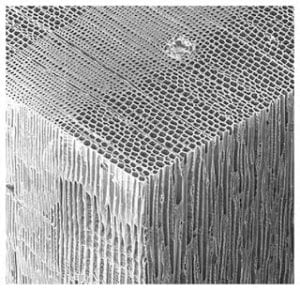
Wood adhesives are stronger than wood itself and stronger than many fasteners when applied correctly. But that doesn’t mean that glue is the best choice for all joints. The wood grain orientation is an important component of joint strength. Wood cells are structured like a bundle of straws. Imagine these straws drawing water from the roots to the uppermost part of the tree. When a tree is hewn into lumber, the orientation of the straws creates three types of grain: end, edge, and face grain. The end grain is like the open ends of the straw bundle, the edge is the thinner side, and the face is the broader side. When an end grain is glued, the straws draw the glue away from the surface as they did with water in the wood’s tree days. This results in a weak adhesion. End-grain glue-ups have very little lateral strength. A good example is the butt joint, where an end grain is joined to a face grain.
When Using Glue-ups in Joinery is Best Continued
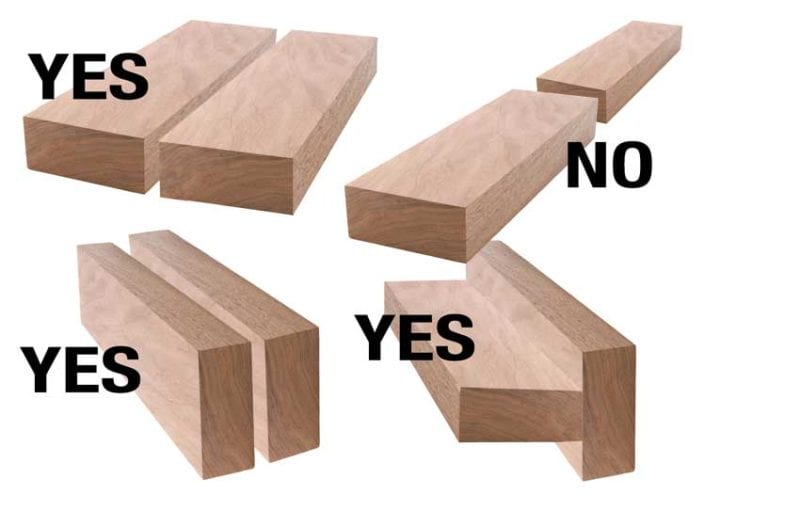
Glue-ups are strongest with face-to-face, face-to-edge, and edge-to-edge joints. A lot of surface area contacts in these orientations, and the glue isn’t drawn away by the straw-like wood characteristics. This assumes that you properly flatten and square the contacting surfaces. Some argue that cupping should be in the same direction, while others argue it should alternate to counteract. We tend to favor the latter—particularly when doing side-by-side glue-ups for table tops.
Don’t fasten flat or miter end grain with glue only. It results in a weak bond that is likely to fail under load. But using glue alone for the long-grain wood surfaces is certainly acceptable. You’ll create a strong, lasting joint.
Conclusion
Since carpentry has a rich history that spans millennia, we have only scratched the surface. Perhaps we’ll go deeper in a future joinery article, but this is a good start. You’ll certainly learn through trial and error when using glue-ups in joinery is best. Our hope, however, is to save the new guys some pain—and money. If you’re a Pro and you have glue-up joinery tips, add them in the comments below—or contact us with your own Pro tips.